{{ onlyExStockExTips }}
{{ _getLangText('m_detailInformation_goodsActivityText') }}
{{ activityObj.name }}
{{ _getLangText('m_detailInformation_goodsActivityText') }}
{{ item.activityName }}
{{ _getLangText('m_detailInformation_goodsActivityBuyButText') }}
{{ _getLangText('m_wDetailSpecialInfo_goodsSpecialRemarksText') }}
本圖書預計在2至7個工作天內完成配貨並出貨。若因缺貨需進行重印,預計配貨時間將延長至約2星期或更長時間。若出版社決定不重印該貨品,我們將全額退款,請密切留意訂單更新。
This book is expected to be prepared within 2 to 7 business days. If reprinting is required due to stock shortage, the preparation time will extend to approximately 2 weeks or more. If the publisher decides not to reprint the item, we will provide a full refund. Please closely monitor your order updates.
{{ _getLangText("m_detailIntroduction_goodsIntroductionText") }}
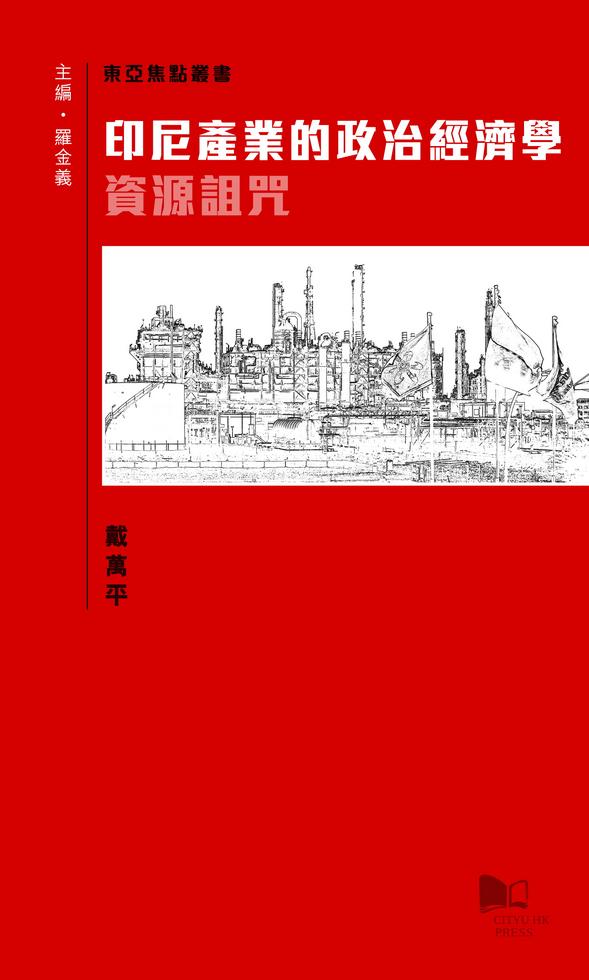
印尼擁有大量天然資源,人口結構非常年輕,新生代教育水平逐漸提高,本應是東南亞國家協會(簡稱東協)地區主要的經濟發展重點。但在繁華背後,印尼的產業結構與實質經濟無法進步;印尼是產油國家,石油工業卻被政治因素把持,呈現資源的誤置與扭曲而無法使國家富強。印尼的經濟與產業究竟是受到何種特殊的政治經濟結構影響?
本書以政治經濟學為基礎,透過汽車工業與石油資源兩個個案說明印尼產業「無科技工業化」與「資源詛咒」的現象。本書認為,印尼的產業發展受到國家統合、爪哇文化、經濟民族主義、蘇哈托家族與政商關係的制約。即使有近年政經轉型的制度調整,兩個個案說明:「制度創造結構;制度易解、結構難移」。解決政經結構的問題,印尼才可以進一步發展。
本書以政治經濟學為基礎,透過汽車工業與石油資源兩個個案說明印尼產業「無科技工業化」與「資源詛咒」的現象。本書認為,印尼的產業發展受到國家統合、爪哇文化、經濟民族主義、蘇哈托家族與政商關係的制約。即使有近年政經轉型的制度調整,兩個個案說明:「制度創造結構;制度易解、結構難移」。解決政經結構的問題,印尼才可以進一步發展。
{{ _getLangText('m_detailAuthorBookList_titleText') }}
東亞焦點叢書
{{_getLangText('m_asideSeriesBookListBut_moreText')}}>
{{ _getLangText("m_recently_viewed_products_titleText") }}